


Navigating a Hazardous Material Survey Before Demolition
What Is a Hazardous Material Survey — and Do You Need One?
A hazardous material survey is a formal inspection of a commercial building or structure to identify, document, and assess dangerous materials before any demolition or renovation work begins. Here is what you need to know at a glance:
- What it covers: Asbestos, lead-based paint, PCBs, mercury, CFCs, mold, radon, and universal waste and more
- Who needs one: Property owners, general contractors, property managers, developers, and facility managers planning demolition, renovation, or property transfer
- Why it matters: Required by federal and state regulations; protects workers, occupants, and the public from toxic exposure
- When to do it: Before design begins, before pulling permits, during due diligence, or before bidding out work
- What you get: A written report with findings, lab results, abatement recommendations, technical specifications, and disposal guidance
Discovering hazardous materials on a site slated for renovation or demolition is not exactly welcome news — but finding them before work starts is far better than the alternative. When hazardous substances are disturbed without proper precautions, they can become airborne, exposing workers, building occupants, and surrounding communities to serious health risks. Beyond the human cost, failing to identify these materials before breaking construction-related activities can trigger regulatory violations, project shutdowns, and significant legal liability.
This guide walks you through everything you need to know about the hazardous material survey process — from what gets tested and how, to what happens after the results come in.
The Critical Role of a Hazardous Material Survey in Commercial Projects
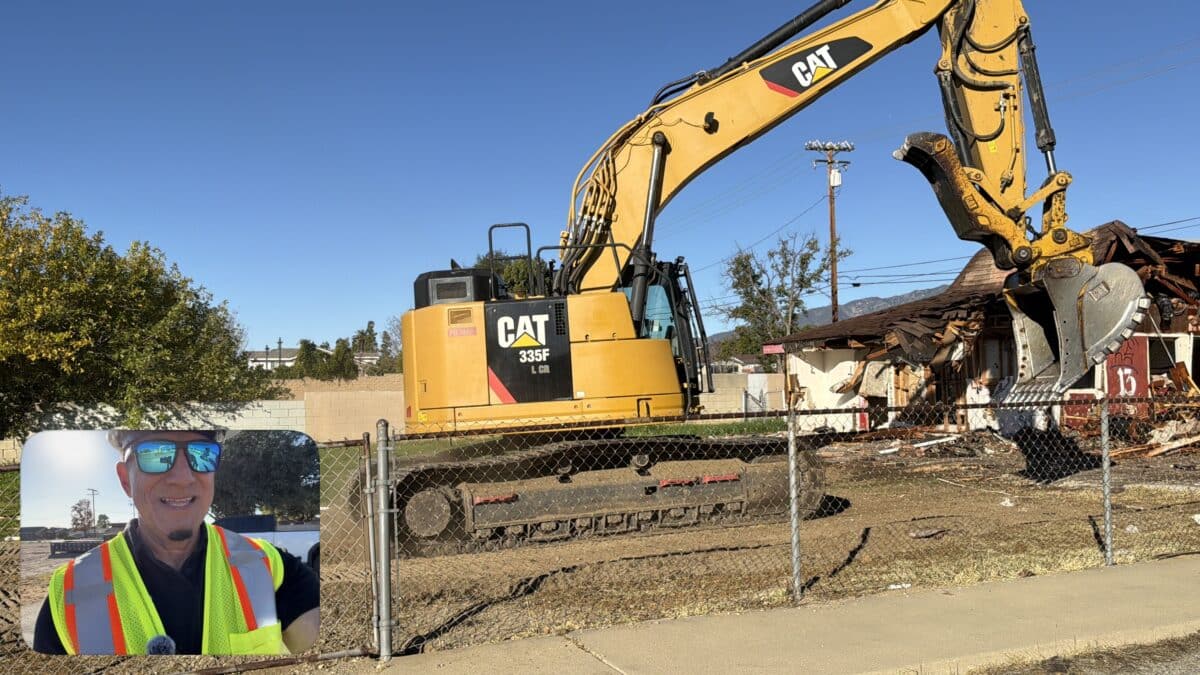
In commercial real estate and construction, what you don’t know can definitely hurt you—and your bottom line. We often view a hazardous material survey as a proactive, liability-avoiding document. It transforms a potential “discovery” during demolition into a well-timed opportunity for safe and sound project planning.
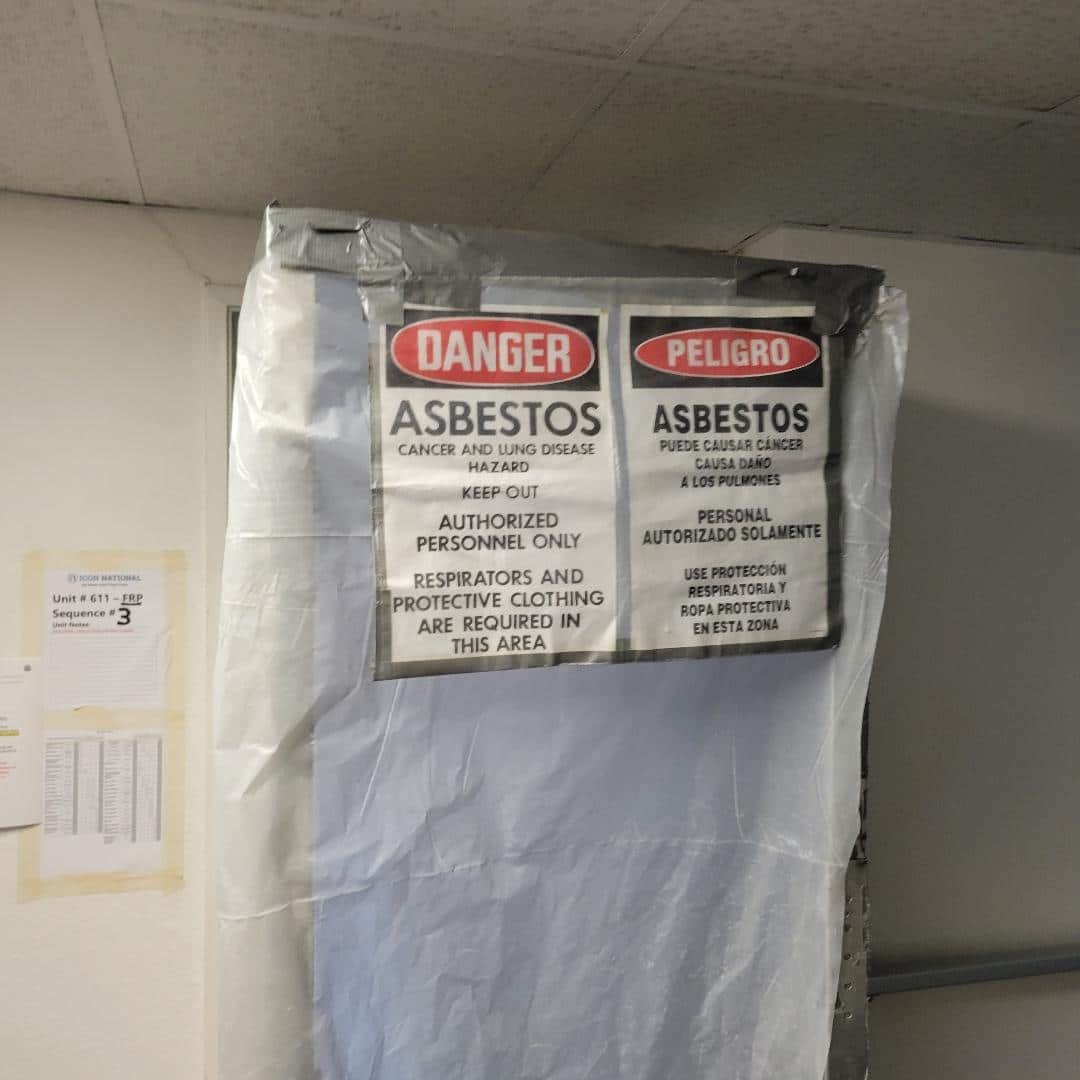
For property managers and general contractors in Southern California and beyond, the survey is the foundation of project safety. If you are curious about the mechanics, learning how to conduct a hazardous materials assessment in buildings is the first step toward total site awareness.
Beyond simple safety, these surveys are practical necessities for:
- Worker Safety: Preventing the inhalation of toxic airborne dust or fumes.
- Liability Reduction: Protecting the building owner from potential litigation related to toxic exposure.
- Demolition Permits: Most jurisdictions, in California, require a certified survey report before a permit is even issued.
- Real Estate Transactions: Identifying environmental “deal-breakers” during the due diligence phase of a commercial property transfer.
The goal is to prevent toxin exposure before a single sledgehammer swings.
Common Substances Identified in a Hazardous Material Survey
A comprehensive hazardous material survey looks for more than just the “famous” toxins. While asbestos and lead are the heavy hitters, several other substances can derail a commercial project.
| Hazardous Material | Common Building Locations | Risk Factor |
| Asbestos | Pipe insulation, floor tiles, roofing, textured ceilings, fireproofing, and much more | Respiratory disease / Mesothelioma |
| Lead-Based Paint | Structural steel, window frames, older masonry | Neurological damage |
| PCBs | Caulking, sealants, fluorescent light ballasts | Carcinogenic / Health hazard |
| Mercury | Thermostats, HID bulbs, switches | Neurotoxicity |
| CFCs / HCFCs | HVAC systems, refrigeration units | Regulatory non-compliance / Health risks |
Asbestos-containing materials (ACMs) are perhaps the most frequent find. Even in newer buildings, certain materials may still contain asbestos. Lead is another major concern; we follow strict scientific research on Lead-Based Paint Guidelines to determine if coatings on metal surfaces or walls pose a hazard during abrasion or demolition.
Furthermore, we often find Polychlorinated Biphenyls (PCBs) in sealants and caulking used in structures built or renovated between 1950 and 1979. These “hidden” hazardous materials are why we created the ultimate guide to hazardous materials in old buildings, helping facility managers identify what might be lurking behind their walls.
Regulatory Framework: EPA NESHAP, AHERA, and California Standards
Navigating the alphabet soup of regulations is where many projects get stuck. In California, we deal with some of the most stringent environmental laws in the country.
- EPA NESHAP (National Emission Standards for Hazardous Air Pollutants): This requires a thorough inspection for asbestos before any demolition or renovation of a commercial facility.
- AHERA (Asbestos Hazard Emergency Response Act): While originally for schools, its sampling protocols are the industry gold standard for identifying homogeneous areas of suspect materials.
- California Title 17 CCR: This governs lead-based paint activities, requiring specific certifications for anyone inspecting or removing lead in the state.
- SARA Title III: Also known as the Emergency Planning and Community Right-to-Know Act (EPCRA), this involves the reporting of Extremely Hazardous Substances (EHS). The EPA initially identified 402 chemicals as EHSs, and businesses storing these above certain thresholds must report them to local authorities.
- Air Quality Management Districts and Air Pollution Control Districts….
Understanding how to manage disturbed asbestos for renovation and demolition projects is critical for staying on the right side of OSHA, Cal-OSHA and the EPA and California Department of Public Health.
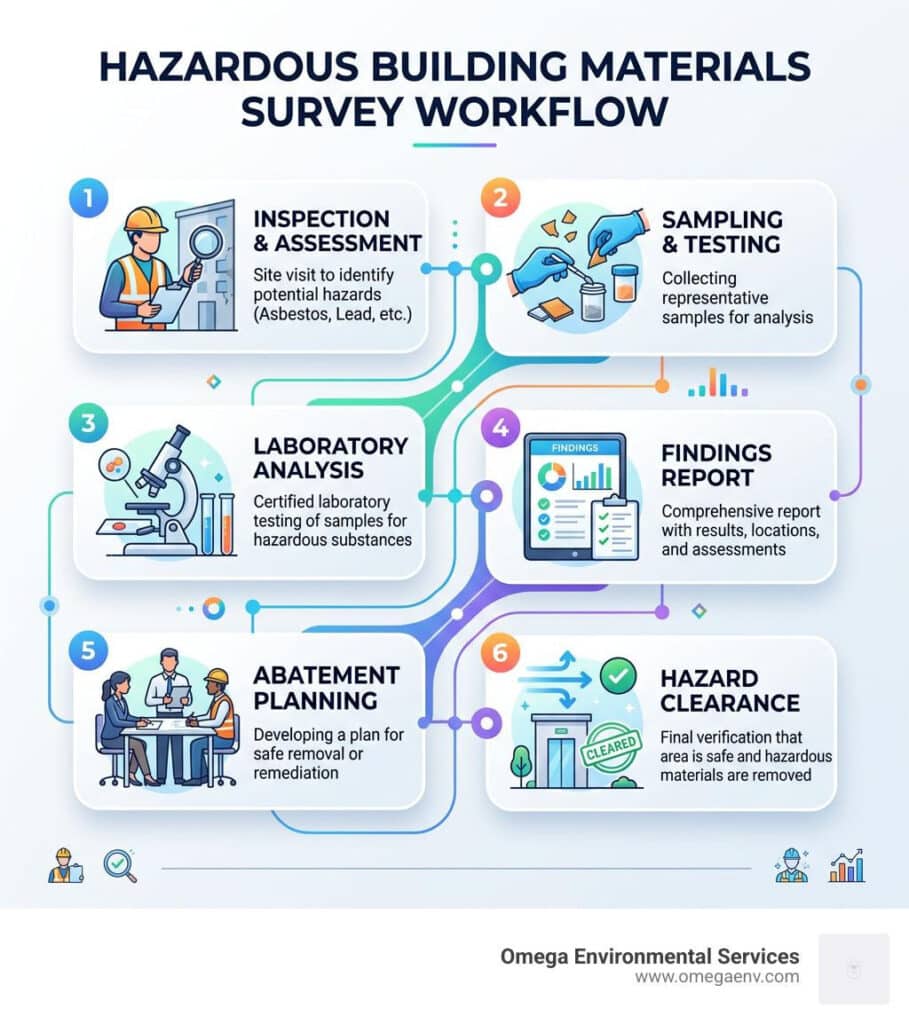
The Inspection and Sampling Process
The hazardous material survey process is highly methodical. It isn’t just a cursory walk-through inspection; it’s a forensic investigation of the building’s components.
- Visual Assessment: We perform building interior and exterior inspections to identify suspect materials. This includes looking office spaces, common areas, above ceilings, roofs and in mechanical rooms.
- Bulk Sampling: Our team collects representative samples of suspected asbestos-containing materials like drywall, insulation, and flooring. We categorize these into “homogeneous areas”—materials that look similar, were installed at the same time, and are likely to have a similar composition.
- Laboratory Analysis: Samples are sent to accredited labs. For asbestos, Polarized Light Microscopy (PLM). If results are borderline (less than 1%), we may use point counting to provide more accuracy.
- XRF Analyzers: For lead-based paint, we use portable X-ray Fluorescence (XRF) analyzers. These tools allow us to get instantaneous, non-destructive readings of lead content in paint layers without damaging the substrate. For some projects we collect paint chip samples and samples are sent to an accredited lab for analysis by Flame Atomic Absorption Spectrometry.
Executing the Survey: From Reporting to Abatement
Once the field work and lab testing are complete, we compile the data into a report. This document is your roadmap for the rest of the project.
A typical report from Omega Environmental Services includes:
- Detailed Findings: Exactly what was found and where it is located.
- Analytical Results: The asbestos and lead data from the lab and/or XRF readings.
- Abatement Recommendations: Whether the material needs to be removed entirely, encapsulated (sealed off), or can be managed in place. Development of Technical Asbestos Abatement Specifications.
- Cost Estimates: Budgetary estimates to help you plan for the remediation phase.
- Disposal Requirements: Documentation of the regulatory status of hazardous materials for compliance with local California disposal standards.
Project phasing is often used here. For example, if a survey identifies asbestos in a specific wing of a hospital, we can design a schedule where that wing is abated and cleared while other areas remain operational.
Case Study: Power Plant Decommissioning and Hazard Mitigation
To see a hazardous material survey in action, look at a recent facility decommissioning project for an onsite power plant. This was a complex environment with high-heat equipment and decades of industrial history.
The challenge was to characterize every potential hazard before the structure was torn down. Our team:
- Reviewed Historical Data: We started by looking at existing reports and sampling records to focus our efforts on uncharacterized areas.
- Extensive Sampling: We collected approximately 550 additional samples of suspect materials.
- Lead Testing: We took 440 XRF readings from painted components, identifying 28 specific lead-based paints that required special handling.
- Asbestos Identification: We identified 13 homogeneous areas of ACM, plus two additional areas with asbestos concentrations governed by OSHA (less than 1% asbestos by point count) and Cal/OSHA (greater than 0.1%).
By identifying these materials early, the client was able to develop plans for removal and create a budget that prevented any “emergency” costs during the actual demolition. You can find more examples of this detailed work in our hazardous materials assessment archives.
Integrating a Hazardous Material Survey into Emergency and Facility Planning
For facility managers, a hazardous material survey shouldn’t just sit in a drawer until demolition day. It should be a living part of your facility management plan.
In a broader sense, these surveys support:
- Vulnerability Assessments: Identifying which areas of a facility pose the highest risk in the event of a fire or earthquake.
- Risk Ranking: Prioritizing which materials should be removed during the next capital improvement project.
- Community Safety: Ensuring that any accidental release of Extremely Hazardous Substances (EHS) is mitigated by knowing exactly where those substances are stored.
This level of hazardous materials consulting allows for a safe facility and a safer community.
Selecting Qualified Professionals for Your Survey
Not all surveys are created equal. Because the legal and health stakes are so high, you need a team that holds the highest industry credentials. At Omega Environmental Services, our staff includes Certified Industrial Hygienists (CIH), State of California Certified Asbestos Consultants, Certified Site Surveillance Consultants and EPA-accredited inspectors and Department of Public Health Lead Sampling Technicians and Risk Assessors who understand the nuances of California’s regulatory environment.
When selecting a firm for your hazardous material survey, ensure they provide:
- Professional Liability Insurance: Specific to environmental consulting.
- Accredited Lab Partnerships: Ensuring your samples are handled by certified technicians.
- Reporting: Don’t settle for a “pass/fail” checklist; you need a detailed management plan.
Whether you are managing a single office building in Orange County or a massive industrial complex in Northern California, a thorough hazardous building materials assessment is your best defense against the unexpected.
By investing in a professional survey today, you are protecting your workers, your timeline, and your reputation. Don’t let what’s hidden in your buildings become a headline tomorrow. Reach out to us to ensure your next project is built—or taken down—on a foundation of safety and regulatory compliance.