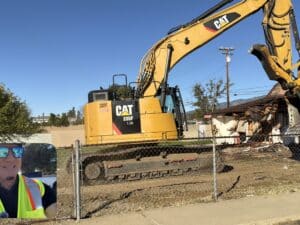



Beginner’s Guide to Heavy Metal Soil Remediation
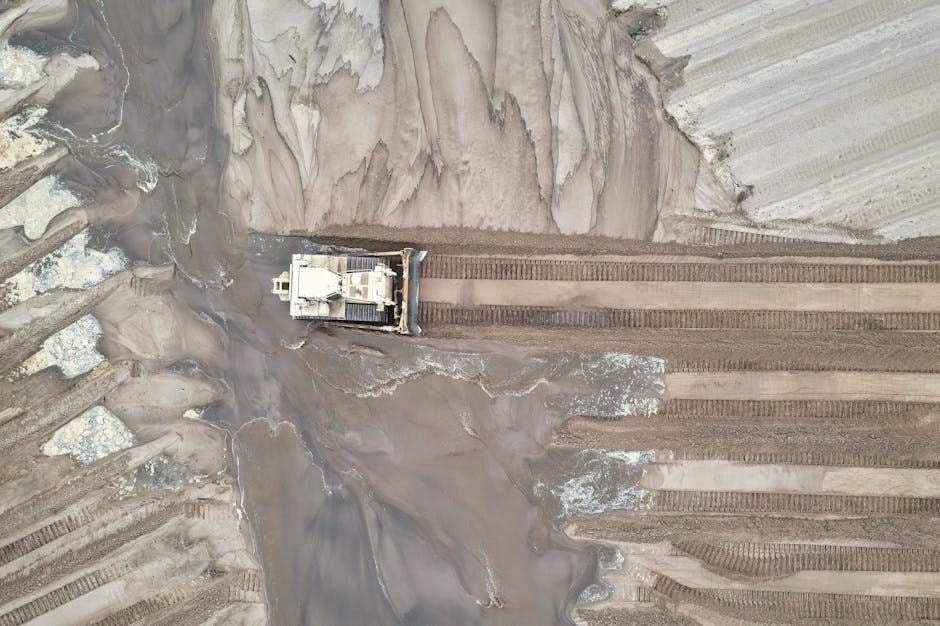
Why Heavy Metal Soil Remediation Is a Critical Liability Issue for Commercial Properties
Heavy metal soil remediation is the process of stabilizing, removing, or neutralizing toxic metals in contaminated soil to prevent them from spreading into the environment or harming human health.
Quick answer — what you need to know:
- What it is: Treatment of soil contaminated with metals like lead (Pb), cadmium (Cd), arsenic (As), and chromium (Cr) and other metals
- Why it matters: Heavy metals persist in soil for decades — lead can remain for 150–5,000 years — and accumulate in the food chain
- Who needs it: Property owners, managers, developers, and general contractors dealing with industrial or manufacturing sites (including laundry facilities or gas stations), brownfields, firing ranges, or mining operations
- How it’s triggered: A failed Toxicity Characteristic Leaching Procedure (TCLP) test typically signals that remediation is required
- Main methods: Chemical stabilization, soil washing, soil removal, phytoremediation, and emerging technologies like nanotechnology and electrochemistry
- Regulatory stakes: Non-compliance with EPA and California standards creates serious legal and financial liability
Heavy metal contamination doesn’t stay put. Once metals leach into groundwater or move up the food chain, the liability for a commercial property owner grows fast. With over 10 million contaminated sites worldwide — more than half involving heavy metals — this is not a rare edge case. It is a routine risk that property managers, developers, and general contractors encounter during construction, renovation, and due diligence.
The good news: proven remediation methods exist, and understanding your options early can dramatically reduce both cost and exposure.
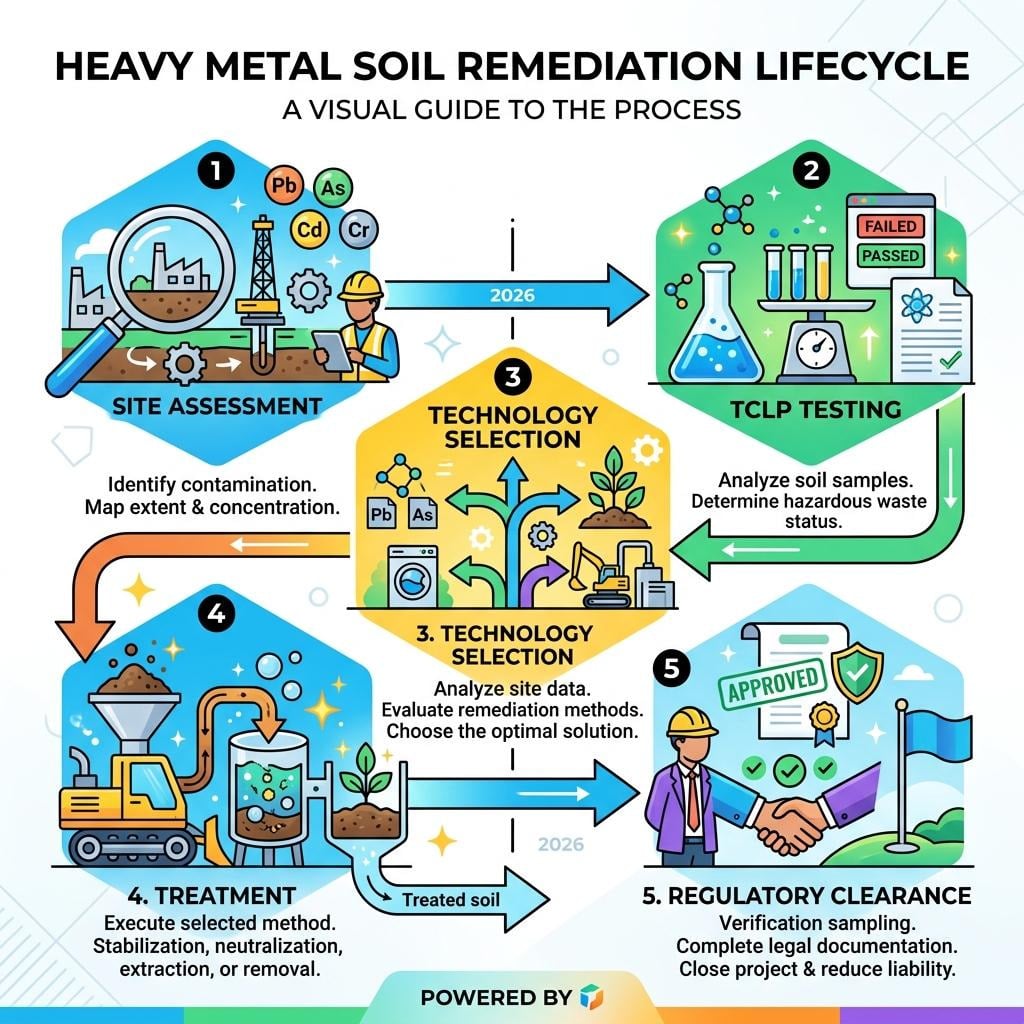
Understanding Heavy Metal Soil Remediation and Regulatory Compliance
When we talk about heavy metals in the soil, we aren’t just talking about a bit of dirt that needs moving. We are talking about elements that, unlike organic pollutants, cannot be “broken down.” They are persistent. According to Scientific research on heavy metal persistence, metals like lead can remain in the soil for up to 5,000 years. This means if a site was contaminated during the industrial boom of the early 20th century, those toxins are likely still there, waiting for a construction crew to dig them up.
For commercial property managers in California, the regulatory landscape is particularly dense. We operate under federal EPA regulations, but we also must answer to strict state-specific standards. The EPA maintains a list of Best Demonstrated Available Technologies (BOAT), which provides a roadmap for what methods are considered legally “sufficient” for treating contaminated soil.
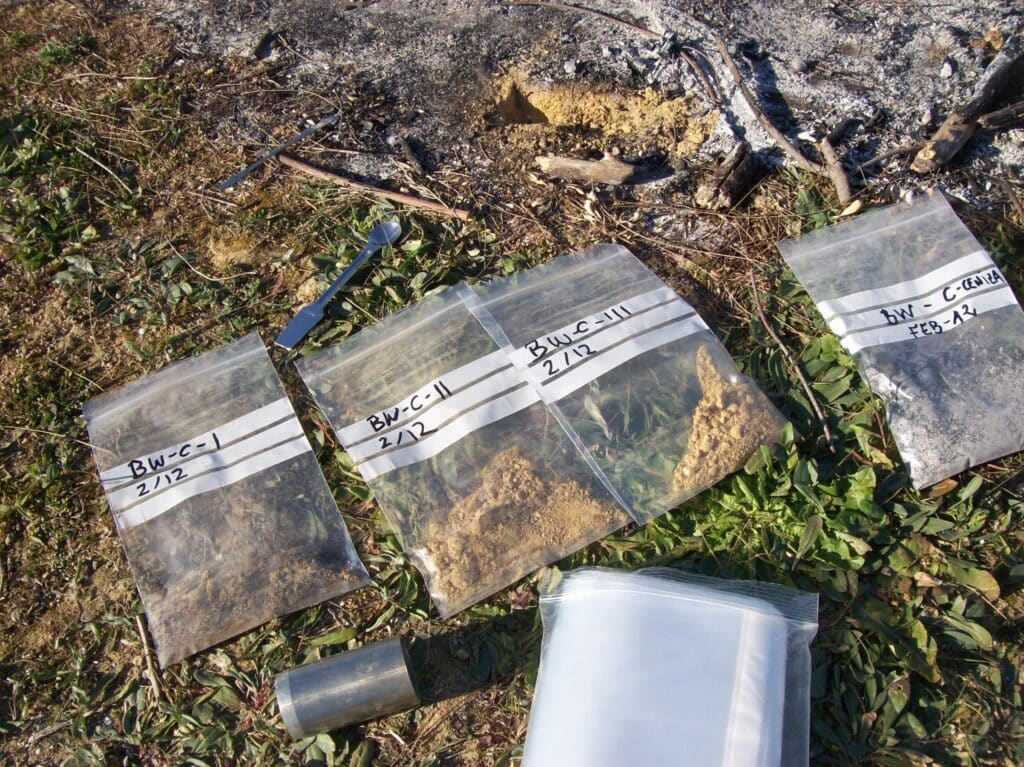
Identifying Contaminants for Heavy Metal Soil Remediation
Before we can fix the problem, we have to know exactly what we’re dealing with. In our experience across Northern and Southern California, the “Big Four” contaminants usually include:
- Lead (Pb): Most common at firing ranges and older industrial sites.
- Cadmium (Cd): Often found near electronics manufacturing or metal plating facilities.
- Arsenic (As): Frequently associated with historical pesticide use or wood treatment.
- Chromium (Cr): A byproduct of leather tanning and chrome plating.
To determine if these metals constitute a toxic threat, we utilize the Toxicity Characteristic Leaching Procedure (TCLP). This lab test simulates how metals might leach out of the soil and into the environment if left in a landfill. If the results exceed specific thresholds, the soil is classified as requiring remediation. For more on identifying these risks, see our guide on Hazardous Materials.
| Metal | Common Source | Regulatory Concern |
| Lead (Pb) | Firing ranges, Smelters | High Bioaccumulation |
| Cadmium (Cd) | Battery Mfg, Plating | Carcinogenic Risk |
| Arsenic (As) | Agricultural runoff | High Toxicity |
| Chromium (Cr) | Industrial waste | Soil Degradation |
Health Risks and Liability for Commercial Property Managers
Why should a facility manager or building owner care about a few parts per million of lead? Because heavy metals are masters of bioaccumulation. They don’t just sit in the dirt; they can be kicked up as dust during renovations, inhaled by workers, or tracked into clean areas of a building. This creates a direct path for toxic exposure.
From a business perspective, the risks are just as high. Un-remediated soil can plummet property values and lead to astronomical legal fees if a “toxic tort” claim is filed. By Navigating a Hazardous Material Survey early in the process, you can protect your investment. Risk mitigation isn’t just about safety; it’s about legal compliance and ensuring your property remains a viable asset. For a deeper dive into these strategies, check out The Definitive Guide to Environmental Risk Consulting.
Avoiding Costly Mistakes in Heavy Metal Soil Remediation Projects
One of the biggest risks in heavy metal soil remediation isn’t just the contamination itself—it’s making the wrong decisions during the cleanup process.
Property owners and developers are often presented with multiple remediation options, each with different costs, timelines, and regulatory implications. Without proper oversight, projects can quickly become more expensive and complex than necessary.
Common Pitfalls We See in Heavy Metal Soil Remediation
- Over-excavation: Removing more soil than required, driving up disposal costs
- Over-engineered solutions: Selecting unnecessarily complex or expensive remediation approaches
- Regulatory missteps: Failing to meet state or federal requirements, leading to rework and delays
- Poor contractor coordination: Misalignment between consultants, contractors, and regulators
- Incomplete documentation: Creating long-term liability even after cleanup is complete
How to Stay in Control During Heavy Metal Soil Remediation
The key to avoiding these issues is having a qualified environmental consultant involved early—before remediation begins.
A strong assessment and management approach includes:
- Defining the true extent of contamination
- Aligning remediation strategies with intended site use
- Decisions and results are defensible from a regulatory standpoint
- Maintaining clear documentation and reporting throughout the project
- Acting as the owner’s representative to protect budget and timeline
Choosing the Right Remediation Strategy: Why Oversight Matters
While there are many ways to address heavy metal contamination, the most important decision isn’t the specific technology—it’s selecting the right approach for the site.
Each remediation strategy comes with trade-offs related to cost, timeline, regulatory acceptance, and long-term effectiveness. What works for a former industrial facility may not be appropriate for a commercial redevelopment project.
The Challenge for Property Owners and Developers
Without the right guidance, it’s easy to:
- Overpay for unnecessary remediation
- Choose an approach that doesn’t meet regulatory requirements
- Create delays due to poor planning or documentation gaps
- Inherit long-term liability from incomplete or ineffective cleanup
Where Environmental Consultants Add Value
This is where experienced environmental consultants play a critical role—not by performing the remediation, but by guiding and managing the process from start to finish.
Key responsibilities include:
- Evaluating remediation options: Ensuring the selected approach aligns with site conditions, budget, and regulatory requirements
- Coordinating with remediation contractors: Acting as the owner’s representative to vet vendors and manage performance
- Regulatory navigation: Ensuring all work meets EPA and California standards and is properly documented
- Cost control: Preventing scope creep and unnecessary remediation efforts
- Project oversight: Keeping timelines on track and stakeholders aligned
The success of a soil remediation project is rarely determined by the technology alone. It’s determined by how well the project is planned, managed, and executed.
Having the right partner to oversee the process can mean the difference between a controlled, compliant project—and a costly, drawn-out liability.
Real-World Application: California Smelter Site
At a former smelter site in Southern California, soil testing identified elevated levels of arsenic and lead—triggering regulatory concern and potential project delays.
Rather than performing the remediation directly, Omega Environmental Services was engaged to assess the extent of contamination and oversee the remediation process on behalf of the client.
Omega’s Role Included:
- Site characterization: Coordinating soil sampling and laboratory analysis to define contamination levels
- Risk assessment: Interpreting TCLP results and applicable California screening levels
- Remediation planning support: Working with qualified remediation contractors to evaluate viable cleanup strategies
- Project oversight: Managing the remediation process to facilitate regulatory compliance, proper documentation, and cost control
Outcome:
- The project team selected a hybrid remediation approach that reduced the volume of contaminated soil requiring disposal
- The client avoided unnecessary over-excavation and associated costs
- Regulatory requirements were met without delays to the construction timeline
For projects involving federal or state properties, specialized protocols are required. You can learn more about this in our article on Environmental Assessment & Remediation for Defense Department Buildings & Properties.
Strategic Planning for Commercial Site Decontamination
At Omega Environmental Services, we don’t believe in one-size-fits-all solutions. A warehouse in Orange County has different needs than a mining site in Northern California. Our role as Trusted Environmental Experts is to navigate the risk assessment process, select the most cost-effective technology, and manage the regulatory reporting so you don’t have to.
Effective heavy metal soil remediation requires a strategic partner who understands the intersection of chemistry, geology, and California regulations around hazardous materials. Whether you are a general contractor breaking ground on a new project or a property manager dealing with a legacy contamination issue, we provide the expert solutions needed to clear your site and move your project forward.Ready to assess your site’s needs? Start with a professional Hazardous Materials Assessment to identify potential liabilities and determine remediation needs before they become expensive problems. We are here to help you navigate the complexities of heavy metal soil remediation.